
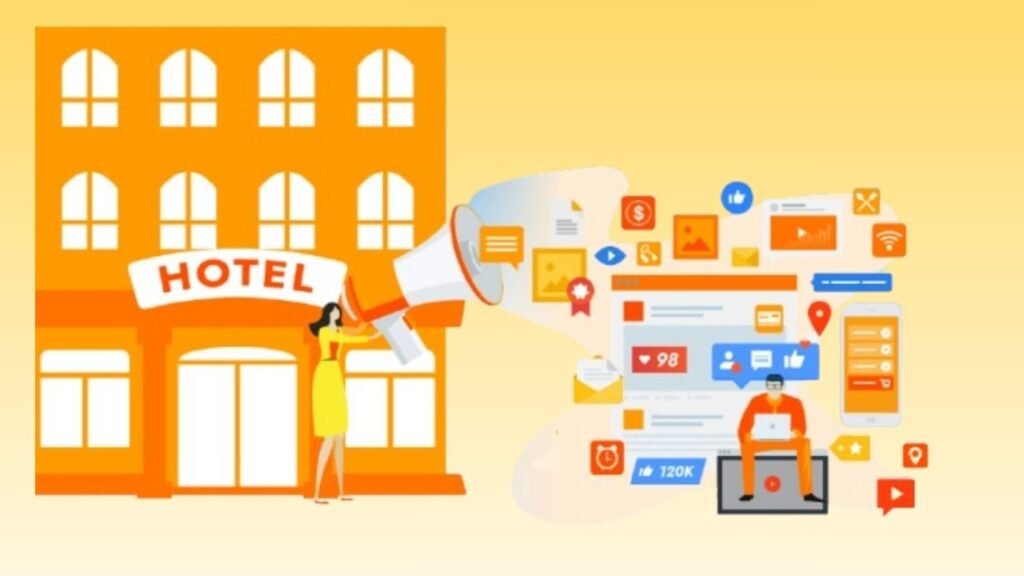
There is constant change in the hospitality industry. Hotels are under pressure to reconsider their customer acquisition and retention methods due to economic uncertainty and increased expenses, as well as changes in the behavior of guests. Due to the mentioned pressure, it is possible to lose bookings and ruined trust due to minor marketing mistakes. Unluckily, a lot of brands are committing the same Hotel Marketing Mistakes without considering their long-term consequences.
Empathy, flexibility, sensitivity to data, and effective communication are part of smart marketing in the new era. When these factors are overlooked by the hotels, they become obsolete in a very competitive market. This article discusses the ten most common errors that hotels must avoid and the ways in which they can be fixed in order to save income and keep loyalty to the brand.
Hotel Marketing Mistakes During Economic Uncertainty
Among the most harmful Hotel Marketing Mistakes is one which occurs in times of economic instability. Flashy or aggressive messaging that is not necessarily connected to the guest reality is the thing that continues to be used in hotels. Tourists are now a very sensitive lot. Hence, tone is more than ever.
To the extent that luxury is being promoted without caring, guests will not be understood when they are targeted in marketing messages. They are not motivated but pressured. Consequently, the level of trust declines and reservations are reduced. Hotels must be driven by knowing, being comfortable and valued as opposed to being extravagant.
Additionally, a less stern language creates confidence. The flexibility, relaxation, and meaningful experience messaging works better in uncertain times. Emotional loyalty will follow as a natural result when the hotels recognize the issues of the guests and present themselves as a homeplace.
Hotel Marketing Mistakes Related to Booking Flexibility
The other significant type of Hotel Marketing Mistakes is the inflexible booking policies. The modern day travelers make their bookings nearer to arrival and are very flexible. When hotels are strict on the cancellation policies, customers are scared and give up on reservations.
Plasticity has become the power of conversion. The more direct bookings to the hotels are encouraged through promotion of refundable rates, hassle-free change of date, and low-risk booking options. Conversely, strict policies drive guests to other competitors or OTAs.
The flexible options should be communicated clearly by the hotels in websites, emails and adverts. Guests become faster when they are sure to be safe with their bookings. In the long run, flexibility also enhances loyalty and a repeat visit.
Common Hotel Marketing Mistakes and Better Alternatives
| Mistake | Better Approach |
| Tone-deaf luxury messaging | Empathetic, value-focused language |
| Rigid cancellation rules | Flexible, low-risk booking options |
| Room-only pricing | Bundled value packages |
| Ignoring reviews | Fast, thoughtful responses |
| Silent social media | Active, reassuring engagement |
| No local targeting | Staycation and drive-market offers |
| Broad ad targeting | Data-driven segmentation |
| Poor communication | Clear, consistent updates |
Hotel Marketing Mistakes in Value and Pricing Strategy
Hotel Marketing Mistakes that can be made include those whose hotels only concentrate on the room rates rather than value. When it comes to times of uncertainty, passengers do not necessarily seek the most economical deal. Rather, they desire the best bargain.
Hotels that push room-only pricing are not able to build perceived values. It is more rewarding when it is offered in packages including breakfast, parking, spa credits or late checkout. Value-based offers are safer and more considerate even in cases when prices remain equal.
Hotels need to focus on convenience and extra values, rather than reducing prices significantly when they can sell convenience. By having a clear view of the benefits received by the guests, it is easier and quicker to make decisions.
Hotel Marketing Mistakes in Communication and Reputation
The last category of Hotel Marketing Mistakes includes silence, ineffective communication, and low reputation management. Guests want to see through during the time of uncertainty. Trust is destroyed when the hotels do not communicate on a regular basis.
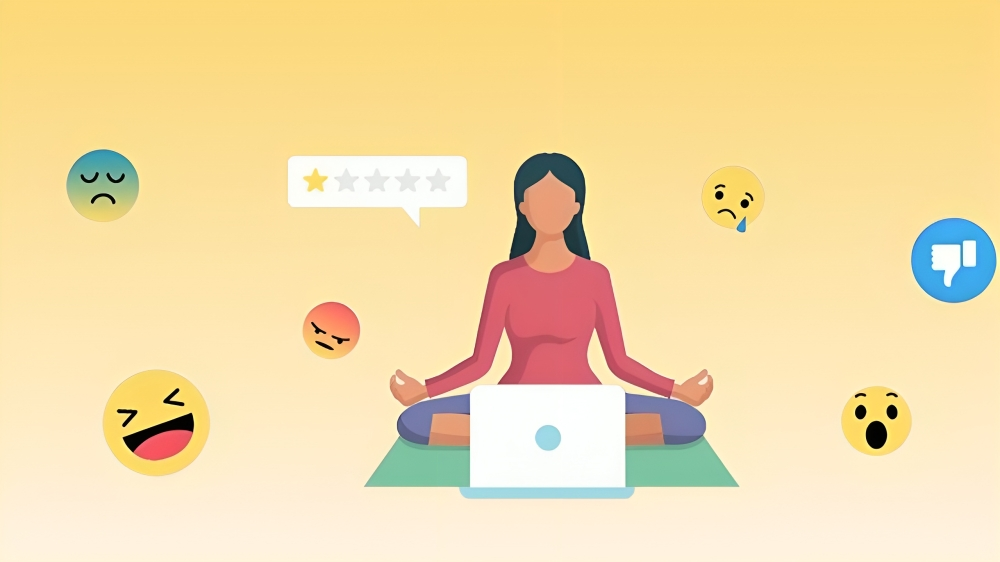
There is also more weight of online reviews nowadays. Feedback is read and then the guest books. Hotels which do not care about responses or react negatively seem irresponsible. On the contrary, responsive brands responding in a timely and respectful manner demonstrate responsibility and concern.
Regular contact through emails, social media and websites will promote assurance to the guests. Informative updates on policies, amenities and offers minimize confusion and anxiety. Good communication does not simply inform, it creates confidence.
Top 10 Hotel Marketing Mistakes Explained Simply
1. Insensitive Messaging
Most hotels have a business strategy of providing luxury, discounts, or premium experiences without being aware of the problems that guests are facing. In times of uncertainty, this may be chilled or remote. Clients desire brands that demonstrate concern, understanding, and compassion and not just messages centered on selling.
2. Strict Cancellation Policies
The presence of strict cancellation policies in hotels makes customers anxious to book a room. Individuals like being flexible in case of change of plans. Laxed policies create trust and prompt increased bookings.
3. Weak Value Presentation
It is not enough to advertise the prices of the rooms. Visitors are interested in what additional services will be available to them, i.e. free breakfast, late check out, special experience. Bookings are not as appealing without obvious advantages.
4. Ignoring International Guest Concerns
The foreign travelers fear the visa, exchange rate, traveling pressure, and the security. Unless the hotels take these issues into account during their communications, visitors can go to competitors who are more articulate and considerate in their communications.
5. Poor Use of Marketing Data
Most of the hotels use money on advertisements without examining what works. This translates into lost budgets and low outcomes. The data helps the hotels to know how the guests behave and to increase the campaigns to get better returns.
6. Going Silent on Social Media
Visitors want frequent messages, responses, and reassurances on social sites. Hotels lose face and credibility when they cease posting or interacting. Active social media creates confidence and brand remains top of the mind.
7. Neglecting Local Travelers
Hotels tend to target tourists and disregard the guests they have around them. Domestic passengers hold value particularly in the low seasons. Constant bookings can be occasioned by weekend bookings, events and special local offers.
8. Weak Review Management
Some people do not even think about reviews, and particularly negative reviews make a hotel appear thoughtless. Making a nice reply will indicate that the hotel cares about comments and will strive to do better. Good review management creates trust and generates the booking confidence.
9. Unclear Communication
Changing information regarding policies, offers, and safety rules disorient guests. Simple and modern communication makes the guests feel knowledgeable and relaxed during booking choices.
10. Overlooking Partnerships
The reason why hotels do not work with local businesses, tours, or experiences is that they are missing out on growth opportunities. Partnerships bring about special offers, value addition to the guests and assist the hotels in differentiating themselves among the competitors.
11. Poor Website User Experience
A hotel’s website often creates the first impression for potential guests. When the website loads slowly, visitors lose patience and leave before exploring room options. In today’s fast-paced digital world, users expect pages to open within seconds. If the site fails to respond quickly, trust drops immediately.
12. Lack of Personalized Marketing
Generic marketing messages fail to connect with modern travelers. When hotels send the same emails or ads to every guest, the communication feels cold and irrelevant. Guests want brands to understand their preferences, past stays, and interests.
Personalized marketing builds stronger engagement. When offers match guest behavior, such as preferred room type, travel dates, or location interests, guests feel valued. This emotional connection increases the likelihood of repeat bookings.
How Smart Hotels Respond Differently
Successful hotels adapt quickly. They use data to guide decisions. They speak with empathy. They offer flexibility and value. Most importantly, they listen to guests.
Instead of pushing sales aggressively, they focus on reassurance. Instead of cutting communication, they increase clarity. This mindset separates leaders from struggling competitors.
Final Thoughts
Avoiding Hotel Marketing Mistakes is no longer optional. In today’s market, guests expect understanding, flexibility, and transparency. Hotels that adapt their marketing strategy with empathy and precision protect both revenue and reputation.
By correcting these ten mistakes, hotels can strengthen guest trust, improve conversions, and build long-term loyalty. Smart marketing does not chase attention; it earns confidence.
Also Read About:- Hotel Cashflow Management: Strengthening Financial Stability in the Hospitality Industry