
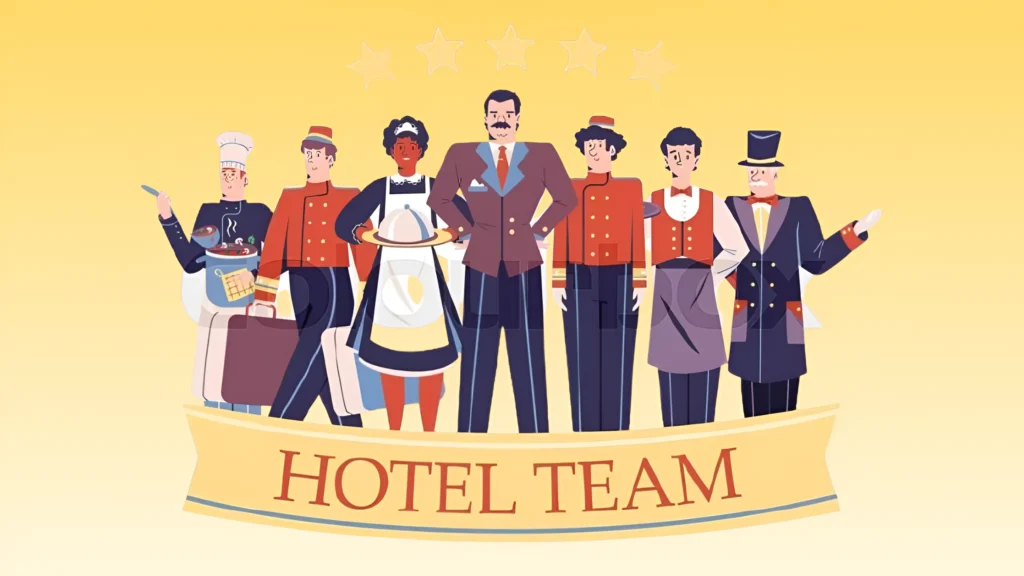
Hospitality industry has developed at a very fast rate within the last decade. Hotels in modern times are not concerned with just the provision of rooms and accommodation. Rather, they have been converted into colorful centres where individuals meet during weddings, conferences, celebrations and corporate meetings. Due to this change, Hotel event management has been listed among the most significant revenue generating divisions of Hotel worldwide.
Nowadays, passengers and customers require more than the mere services. They desire unforgettable moments, well planned events and perfect implementation. It is a big wedding party, a business meeting, a product introduction, or a personal party, professional event planning makes sure that things go on well. This is where Hotel event management comes in at the most important point in the hospitality industry.
Hotels which invest in good event planning team usually have the premium clients and huge reservations. Consequently, event services assist hotels to raise more money in terms of catering, room booking, venue leasing and long term deals. Consequently, the knowledge of the Hotel event management mechanism can assist the hospitality practitioners as well as hotel owners in developing successful events that will create memorable impressions.
The Role of Hotel Event Management
Hotel event management can be defined as a process of planning, coordinating, and executing of activities that occur within hotel facilities. Such events can be weddings, conferences, seminars, award programs, networking, exhibitions, and personal celebrations.
It entails a collaboration of various departments. The event managers liaise with the catering departments, housekeeping departments, front desk departments, audiovisual technicians, decorators/vendors. Their primary aim is to make sure that the event is implemented to the letter of the client.
Event managers have to think through each detail. They create time schedules, budgets, vendor coordination and staff supervision in order to make everything run smoothly. Also, they are able to respond to unforeseen issues in a short time such that the guests do not realize they have been inconvenienced.
Due to this kind of work, Hotel event management demands an excellent organization, creativity and good communication skills.
Why Hotel Event Management Matters in the Hospitality Industry
Hotels globally rely on events to boost the revenue earned. A big event may occupy tens or even hundreds of hotel rooms. It is also able to make money out of its catering service, decorations, equipment rentals, and other guest services.
Properly organised events also assist the hotels in enhancing a good reputation. Attendees of successful events will suggest the venue to the others and as a result, this results to increased bookings and referrals.
The next key benefit of Hotel event management is the long-term business relationships. Company clients often have annual meetings, conferences, and training. Companies will want to go back to a specific venue in the future when they receive great service by the hotels.
Moreover, the destination wedding and international conferences introduce guests that are not necessarily located in the same region or country. These guests spend a few days there and this boosts the occupancy levels and markets the hotel all over the world.
Main Responsibilities of Hotel Event Managers
Professionals working in Hotel event management perform many tasks before, during, and after an event. Their responsibilities require coordination with multiple teams and careful attention to detail.
Some of the most important responsibilities include:
- Meeting clients to understand event goals and expectations
- Preparing event proposals and cost estimates
- Coordinating with hotel departments and external vendors
- Planning seating arrangements, decoration, and layouts
- Managing budgets and event timelines
- Supervising event setup and logistics
- Ensuring guest satisfaction during the event
- Collecting feedback after the event
These responsibilities require both leadership and problem-solving abilities. Event managers must stay calm under pressure while making quick decisions that keep the event running smoothly.
Key Elements of Successful Hotel Event Management
Effective Hotel event management is a planned procedure. Each event is unique, yet they all have a few common stages, which provide adequate organization and implementation.
1. Knowing the Requirements of the Client
The first is to talk to the client about the details of the event. In this phase, the event manager gives attention to decode the vision, objectives, funds, and anticipations of the client.
As an example, a wedding customer might desire fancy-dress ballroom having posh decorations whereas a corporate customer might desire conference halls furnished with presentation technology.
The knowledge of these needs assists the planners to come up with an event that correctly represents the vision of the client.
2. Budget Planning/Event Proposal
After having the requirements, the next thing is to prepare a proposal. This proposal will cover the concept of events, proposed costs, services to be offered and the schedule.
The planning of the budget also makes the client know what they can afford. Effective communication at this phase eliminates misunderstanding in the future.
3. Detailed Event Planning
This phase entails the organization of all the aspects of the event. The event managers will work with catering team to plan menu, decoration team to design the venue, and audiovisual team to support them.
They also design seating arrangements, guest lists and timetables to make sure that everything is on schedule.
Hotel event management is a teamwork and communication intensive activity since a high number of departments are engaged.
4. Event Execution
The most important moment is the execution stage. During the event, event managers oversee the set up, staffing and make sure that guests are received appropriately.
They keep track of time and address any emergent problems in real time. When difficulties set in, skilled planners have solutions within minutes without setting the event in disturbance.
5. Post-Event Evaluation
Once the event is concluded, the event manager gets the feedback of the client and the hotel staff. This is done to determine the parts that worked and those that can be done better.
It is also important to keep good relationships with the clients since they tend to come back to have future events when they are satisfied.
Technology in Modern Hotel Event Management

Hotels can now plan and manage events using technology. Nowadays most hotels have developed sophisticated software systems where planning is made easier.
Through these platforms, event managers are able to organize the activities, keep track of time, and communicate with suppliers more effectively.
Modern Hotel event management software typically includes features such as:
- Guest list and RSVP management
- Seating chart design tools
- Real-time communication between departments
- Event scheduling and timeline tracking
- Budget and invoice management
- Data reporting and event performance analysis
These digital tools help reduce human errors and improve productivity. They also allow event teams to focus more on creativity and guest experiences rather than administrative tasks.
Key Components of Hotel Event Management
| Component | Description | Importance |
| Client Consultation | Understanding the client’s needs and event goals | Ensures the event meets expectations |
| Budget Planning | Creating cost estimates and financial plans | Prevents overspending |
| Venue Design | Planning layouts, seating, and decorations | Improves guest experience |
| Vendor Coordination | Managing caterers, decorators, and technicians | Ensures smooth event execution |
| Event Execution | Supervising the event on the scheduled day | Guarantees operational success |
| Post-Event Review | Collecting feedback and analyzing results | Helps improve future events |
Essential Skills Required for Hotel Event Management
Hotel event management professionals should be able to acquire both technical and interpersonal skills. With such competencies, they are capable of handling the complicated events and keeping the levels of service high.
Organization is one of the most significant skills. Event managers are involved in several activities at the same time, thus, scheduling is an important task that must be planned well and an efficient use of resources is necessary.
Interpersonal communication skills are also essential. Efforts of event managers involve dealing with clients, vendors, and hotel employees daily. Effective communication makes everybody aware of his/her duties.
Another important skill is problem-solving skills. The events usually present some extremely unpredictable issues, like last-minute adjustments of the schedules, or technological problems. Experienced planners react fast and get good solutions.
There is a role also of creativity. The event managers create exclusive experiences that render events memorable to the guests.
Career Opportunities in Hotel Event Management
The hospitality industry offers many career opportunities for individuals interested in event planning. Entry-level professionals often begin their careers in supportive roles where they gain practical experience.
Common entry-level positions include:
- Event coordinator
- Banquet assistant
- Event sales associate
- Catering support staff
With experience, professionals can move into senior roles such as event manager, venue manager, or director of events.
Many successful professionals in Hotel event management also pursue advanced hospitality degrees or specialized event management certifications. These qualifications help them gain leadership roles and manage large-scale international events.
Real-World Examples of Successful Hotel Events
Delivery of good events has helped many luxury hotels to develop good reputations. These hotels are a blend of innovative planning and impeccable service to establish the memorable experiences.
The luxury brands tend to pay more attention to personal services. They personalize the themes of events, decorations, entertainment and catering services to suit the preferences of a client.
Other creative events designed by creative hotels include themed conferences, interactive networking and whole immersion in different cultures. These bizarre strategies assist the hotels to be vivid in the competitive hospitality market.
These are some of the ways Hotel event management can turn normal gatherings to spectacular events.
Hotel Event Management Future Trends
The events industry is changing rapidly in the future. The hotel planning and event hosting is changing under several new trends.
Sustainability is one of the trends. A lot of customers would like the events to be environmentally friendly, waste minimal, and utilize green ingredients. Hotels are reacting to this by providing green catering services and energy saving venues.
There is also an increased use of hybrid events. These events are a mix of both face-to-face events and online attendance whereby guests in various places can attend.
Technology will also be of significant contribution. Automation and artificial intelligence will assist event managers to analyze the preferences of their guests, bookings and even customize the experience of the event.
Due to these innovations, Hotel event management shall be sustained as a strategic department in the hospitality industry.
Conclusion
Hotels have become much more than mere providers of accommodation. They have taken the form of vibrant places where individuals rejoice over milestones, do business and make memorable impressions. Professional event planning is the core of these experiences.
Hotel event management involves the integration of organization, creativity, communication and technology in order to provide a perfect event. Event managers organize numerous details in order to make all events run smoothly since the first meeting with the client till the post-event evaluation stage.
The hospitality industry is still expanding and therefore the need of qualified event planners will rise as well. Hotels which invest more in effective event management teams will be able to gain more clients, establish long-term relationships and prove their strong reputation in the international market.
In case one is interested in hospitality professions or event management, it is a fascinating sphere. When equipped with the right skills, experience and commitment, the professionals can establish a rewarding career in the process of creating memorable events that unite people.
Also Read About:- The Importance of Online Reviews in Hotel SEO Strategy